- For SME and Groups
- For Individuals
Group Health Insurance
About Cigna Healthcare
Wound Recovery Support with Nutrition
How to Heal Wounds Faster with the Right Nutrition
What can you do to support your recovery after suffering from a wound? These are some nutrition tips to keep in mind.
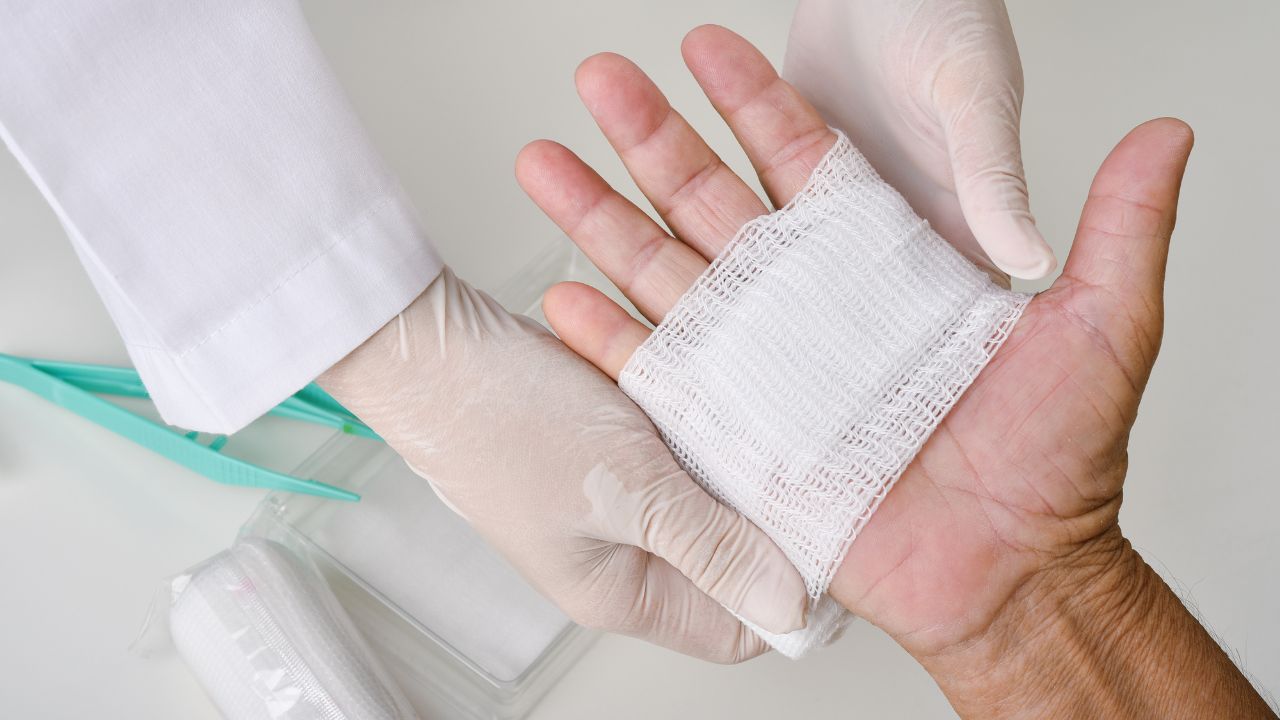
Which food items should you avoid or have more of when you get injured? Which supplement can help you speed up your recovery? Is it true that having soy sauce when you have a wound could cause a scar to form?
There are all sorts of myths and misconceptions about how your diet can affect your recovery when you’re injured. No matter if it’s a cut, scratch, scrape, or operation site, paying attention to your diet can help to reduce inflammation; and help you recover faster. Here is a short summary of foods that can support your recovery; and foods that you may want to be mindful of eating.
Nutrition to Improve Wound Healing
In general, maintaining a balanced diet with sufficient nutrient intake can help wound healing. However, individuals with low cell regeneration ability, such as the elderly and those with protein deficiency, may take a little longer to recover fully.
Below, we've recommended some nutrients that are linked to better wound healing along with the foods you can eat to get your daily dose of healing nutrition.
Vitamin A
Vitamin A increases the number of white blood cells, stimulating collagen synthesis and therefore speeding up the healing process. Vitamin A is commonly found in milk, cheese, and eggs. Vegetables, such as carrots, broccoli, and kale, are also rich in beta-carotene, which can be transformed to vitamin A.
Vitamin C
Adequate vitamin C intake can not only help strengthen the healing wound, but also reduce your risk of inflammation and infection. According to the National Institutes of Health of the United States, every adult male and female should have 90mg and 75mg of vitamin C every day, respectively. Fruits and vegetables are the best sources of vitamin C, such as kiwi, guava, bell pepper, broccoli, and kale.
Protein
Protein is essential for maintaining and repairing your body tissue. Low protein levels may cause a decrease in collagen development which can slow down wound healing or lead to inflammation. As such, maintaining a good protein intake can help during your recovery. Sources of protein include red and white meats, fish, eggs, liver, dairy products (milk, cheese, and yoghurt), soybeans, legumes, nuts, and seeds.
Iron
Iron is a mineral that provides oxygen to the site of the wound; therefore, iron (hemoglobin) deficiency can impair healing. Iron deficiency can also result in impaired collagen production. According to the Health Sciences Authority, an average male should have 10mg of iron and an average female should have 18mg of iron daily. You can get iron from dark leafy vegetables, eggs, fish, red meat, dried fruits and nuts.
Magnesium
Magnesium helps to activate certain enzymes that are important for the repair of injured tissues. It also relieves inflammation and promotes faster regeneration of wounded tissues. Good sources of magnesium include chia seeds, pumpkin seeds, almonds, cashews, and bananas.
Zinc
Found in small amounts in your body, zinc is involved in protein and collagen synthesis, and in tissue growth and healing. Zinc deficiency has been associated with delayed wound healing, reduced skin cell production, and reduced wound strength. Dietary zinc sources include red meat, fish and shellfish, milk products, poultry, and eggs.
In addition to having a balanced diet, getting enough sleep also helps in wound healing. If you find that your wound is healing slowly, or if it seems that your wound has become inflamed, you may want to seek medical advice, as it could be signs of infection. In milder cases, your doctor may prescribe you with antibiotics; and provide more in-depth medical advice on how to care better for your wound, to speed up healing.
The Role of Nutrition in the Wound Healing Process
Wound healing happens in stages: inflammation, tissue formation, and remodeling. Each stage demands specific nutrients to function efficiently. A deficiency in any one area can delay healing or impair the process altogether
Inflammation Phase
Right after a wound occurs, the body triggers an inflammatory response to stop bleeding and prevent infection. This stage requires antioxidants and immune-boosting nutrients like vitamin C, zinc, and protein to support immune cells and neutralize free radicals.
Tissue Formation
As the body builds new tissue and blood vessels, it needs amino acids (from protein), collagen, and energy from carbohydrates and fats. This is when nutrient needs are at their highest.
Remodeling Phase
In this final phase, the body strengthens the new tissue and continues to replace damaged cells. Protein and micronutrients continue to be vital during this time.
Dietary Tips for Better Wound Healing
Consider these dietary changes during your wound recovery period.
- Eat a well-balanced diet rich in fruits, vegetables, lean protein, whole grains, and healthy fats.
- Include high-protein foods like eggs, poultry, beans, Greek yogurt, and nuts.
- Add citrus fruits, bell peppers, and leafy greens for a vitamin C boost.
- Stay hydrated—water supports cellular function and nutrient transport.
- Consider supplements only under the guidance of a healthcare provider.
Final Thoughts
Wound healing is more than just keeping a cut clean—it’s an internal process powered by nutrition. A diet rich in healing nutrients can significantly speed up recovery, reduce the risk of infection, and support overall well-being. Whether you’re healing from surgery, an injury, or a chronic wound, your plate is just as important as your bandage.
Related articles
© Cigna Healthcare. All rights reserved.
Cigna Europe Insurance Company S.A.-N.V. Singapore Branch (Registration Number: T10FC0145E), is a foreign branch of Cigna Europe Insurance Company S.A.-N.V., registered in Belgium with limited liability, with its registered office at 152 Beach Road, #33-05/06 The Gateway East, Singapore 189721.
The Cigna Healthcare name, logo, and other Cigna Healthcare marks are owned by The Cigna Group Intellectual Property, Inc. licensed for use by Cigna Corporation and its operating subsidiaries. All products and services are provided by or through such operating subsidiaries, and not by Cigna Corporation. Such operating subsidiaries include Cigna Europe Insurance Company S.A.-N.V. Singapore Branch.
