- For SME and Groups
- For Individuals
Group Health Insurance
About Cigna Healthcare
How To: Intermittent Fasting
A Beginner's Guide to Intermittent Fasting
New to intermittent fasting? It's more than just a fad — there's actual science behind how it works and why it's effective. Here's what you need to know to get started.
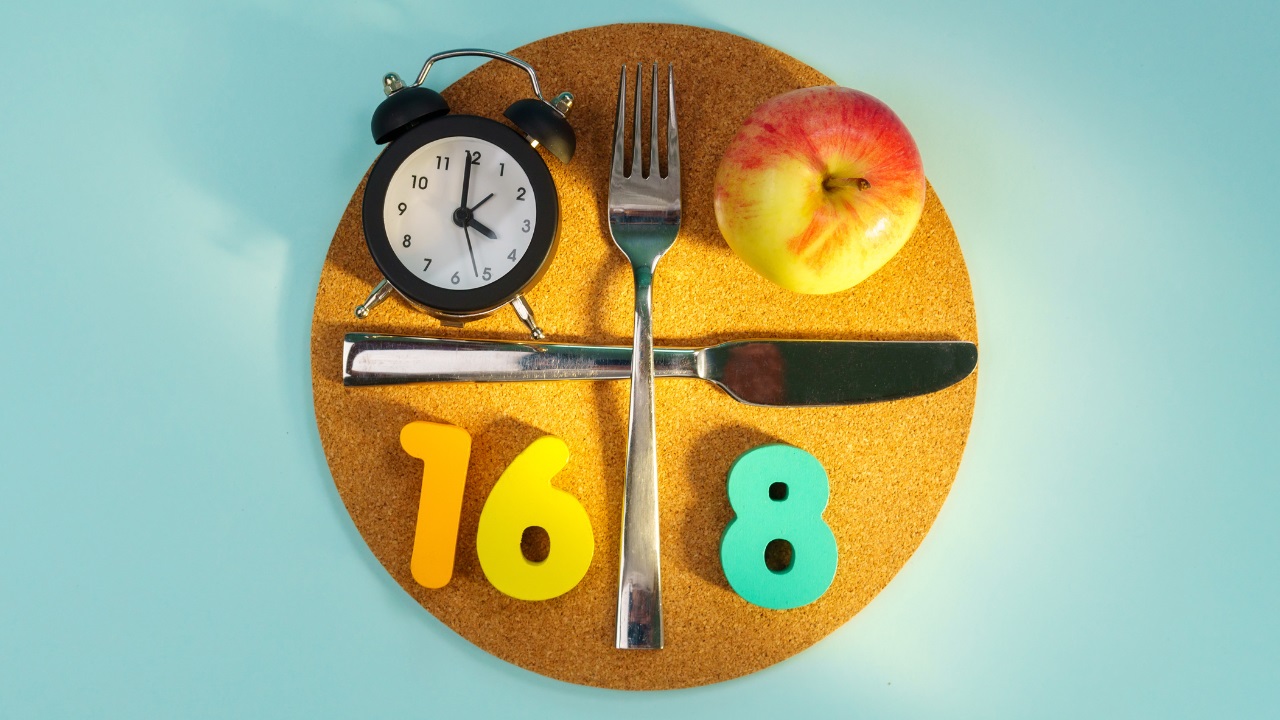
Increased muscle mass, improved aerobic fitness, and reduced body fat are just some of the many benefits associated with intermittent fasting. Backed by consistent results across a diverse pool of test subjects, intermittent fasting isn't just one of those passing diet fads. It's founded on some solid science, and it's here to stay.
What is Intermittent Fasting?
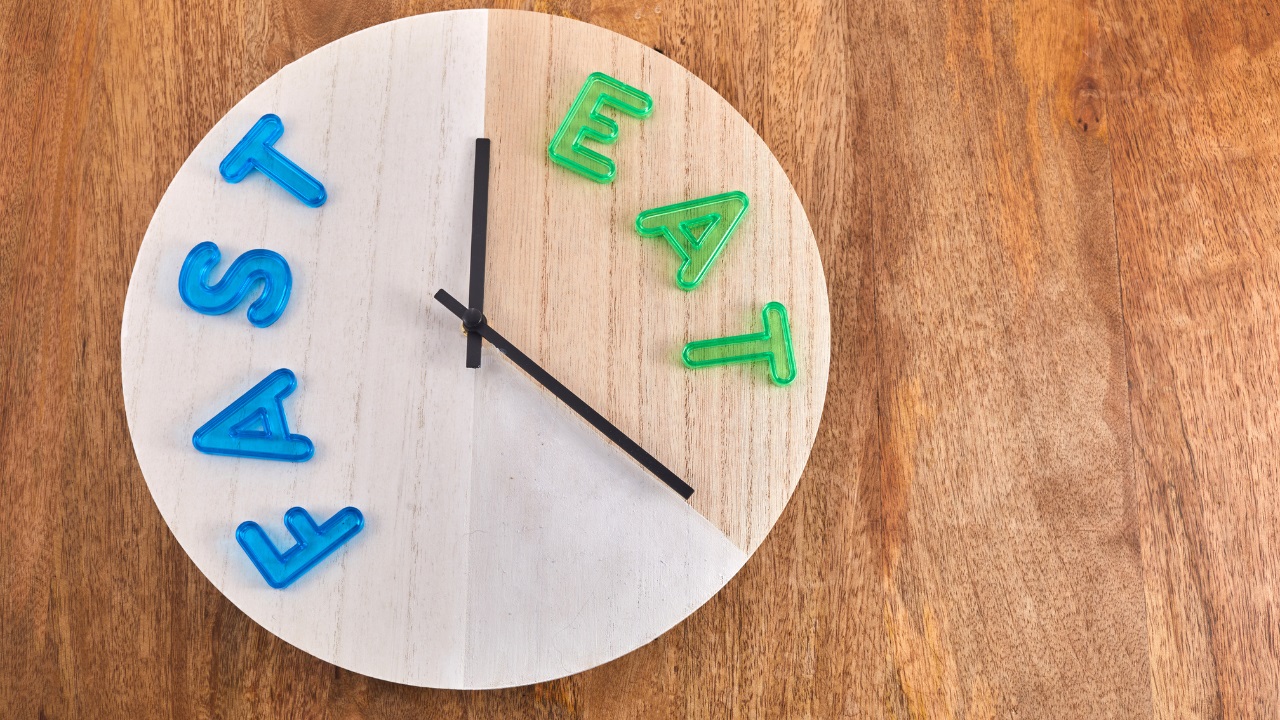
Intermittent fasting is an eating pattern that alternates between fasting periods and eating windows. Intermittent fasting doesn't involve changing what you eat, but rather paying attention to when you eat. Typically, you would fast for longer stretches in a day, usually for a period of 12 to 16 hours. During the time that you’re allocated to eat, the components of your meal are up to you. This is slightly different from other diets, in which food groups are designated as off-limits, such as in a low-carb diet.
There are several approaches to intermittent fasting, but the most common ones include:
- 16/8 method: Fast for 16 hours and eat during an 8-hour window (e.g., noon to 8 p.m.).
- 5:2 method: Eat normally five days a week and limit calories to around 500–600 on two non-consecutive days.
- Eat-Stop-Eat: A 24-hour fast once or twice a week.
Most beginners start with the 16/8 method, as it's simple and easier to stick with over time.
How Does Intermittent Fasting Work?
For 3 to 5 hours during and after a meal, your body is in a "fed state". Your insulin levels increase, when your body is digesting your food and absorbing the nutrients. During this state, it’s harder for your body to burn fat.
Your body transitions to a “fasted state”, about 12 hours after the “fed state”. At this stage of the digestive process, your body goes into serious fat-burning mode. By restricting your access to calories for 12 hours or more, intermittent fasting increases time spent in the fasted state for improved fat loss.
Benefits of Intermittent Fasting
Research shows that intermittent fasting can offer several health benefits:
- Supports weight loss by reducing calorie intake and increasing fat burning.
- Improves insulin sensitivity, which helps regulate blood sugar levels.
- Promotes cellular repair through a process called autophagy.
- May reduce inflammation and the risk of chronic diseases such as heart disease and type 2 diabetes.
- Can enhance mental clarity and energy by stabilizing blood sugar.
How to get Started with Intermittent Fasting
It doesn't matter what time you decide your fasting period to be. If you’re intending to try the intermittent fasting diet, here are some ways you can get started.
Choose a method that fits your lifestyle
If you're new to fasting, try the 16/8 method. For example, skip breakfast and eat between noon and 8 p.m. This gives your body a full 16-hour fasting period without feeling too restrictive.
Start Gradually
Don’t dive in too fast. Begin by pushing your breakfast back by an hour or two, then gradually extend your fasting window over a week or two. Work your way up from a single fast every one or two weeks to a thrice-weekly fast.
Eat More
If you're eating less often, nutritional basics dictate that you should be eating more per meal. However, it’s important that you don’t over-eat as well. Aim to eat about 20% more per meal, compared to when you weren’t fasting; this should help you work through the hunger pangs
Stay Hydrated
Drink plenty of water, herbal teas, or black coffee during your fasting period. Staying hydrated helps curb hunger and keeps energy levels steady.
Prioritize whole foods during your eating window.
Break your fast with balanced meals that include lean protein, healthy fats, vegetables, and complex carbs. Avoid overeating or bingeing, as that can counteract the benefits.
Listen to your Body
It’s normal to feel a bit hungry when you’re getting used to fasting, but you shouldn’t feel faint or unwell. If you do, break your fast and adjust your schedule.
Of course, before starting on any diet, it’s important to consult a health professional, particularly if you have any existing chronic conditions as well. While losing weight may be a more tempting goal to focus on, the purpose of a diet should always be to help you improve your health, rather than take away from it.
Final Thoughts
Intermittent fasting isn't a one-size-fits-all solution, but for many, it’s an effective and sustainable way to improve health and manage weight. As with any dietary change, consistency is key. Give your body time to adjust, and consult your doctor if you have underlying health conditions or concerns. With the right approach, intermittent fasting can become a seamless part of your daily routine.
Related articles
© Cigna Healthcare. All rights reserved.
Cigna Europe Insurance Company S.A.-N.V. Singapore Branch (Registration Number: T10FC0145E), is a foreign branch of Cigna Europe Insurance Company S.A.-N.V., registered in Belgium with limited liability, with its registered office at 152 Beach Road, #33-05/06 The Gateway East, Singapore 189721.
The Cigna Healthcare name, logo, and other Cigna Healthcare marks are owned by The Cigna Group Intellectual Property, Inc. licensed for use by Cigna Corporation and its operating subsidiaries. All products and services are provided by or through such operating subsidiaries, and not by Cigna Corporation. Such operating subsidiaries include Cigna Europe Insurance Company S.A.-N.V. Singapore Branch.
