- For SME and Groups
- For Individuals
Group Health Insurance
About Cigna Healthcare
How to improve Stress and Sleep in Singapore
How to improve Stress and Sleep in Singapore
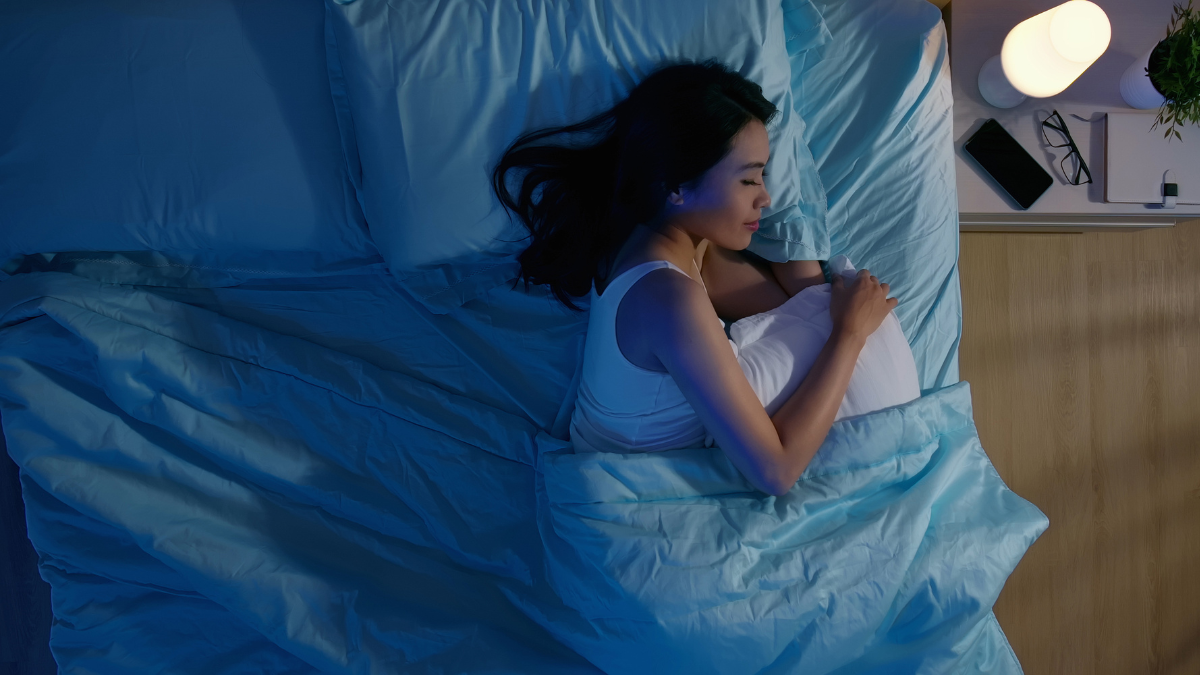
The human body is naturally designed to rest, reset, and recover through sleep. Yet in Singapore, many people aren’t getting the rest they need.
According to our most recent study, nearly 8 in 10 Singapore residents report feeling stressed and almost half (47%) report experiencing disrupted sleep as a result.
By understanding the link between daily life stress, sleep disorders, and mental health issues, Singaporeans can significantly improve their physical and mental health.
Learn more about the connection between stress, sleep quality, and well-being in Singapore; and how you can manage stress effectively, and sleep hygiene best practices you can adopt.
How is sleep in Singapore?
Reports show that sleep quality in Singapore is lower than the global average. Only around 24% in Singapore rated their sleep as “excellent” or “very good”, compared to 34% globally.
This could be due to unmanaged stress in Singapore, where 8 in 10 report feeling stressed. Financial pressures, uncertainty about the future, and the high cost of living are the leading causes of stress.
A culture of long working hours and excessive screen time can also contribute to sleep problems in Singapore. Some people may extend their waking hours to stay productive, but this can come at the expense of deep sleep and overall mental health.
Bad sleep isn’t something we should ignore. If left unaddressed, lack of sleep can lead to increased blood pressure, chronic pain, and other health issues, such as clinical depression.
The facts behind stress and lack of sleep
Stress triggers the fight-or-flight response, releasing cortisol and adrenaline, which then delays sleep onset and makes it more difficult to fall asleep.
Younger adults are particularly affected, especially those aged 18-24. Concerns about finances, work pressures, or societal expectations can also create racing thoughts that disrupt sleep.
Chronic stress combined with poor sleep quality can cause generalised anxiety disorder, clinical depression, and chronic sleep deprivation. This could create a loop of poor sleep and mood swings which can be very difficult to break.
Small, everyday ways to manage stress and develop better sleep hygiene
Good habits go a long way, especially small ones that, when practised consistently, can improve sleep quality and overall mental health:
Build awareness
Pick a time each day to notice your emotions; think of it as an "emotional thermometer". The point is to nurture the habit of noticing how you feel and write it down. You could also notice sleep patterns using a sleep diary.
Establish routines
Try to get into a consistent sleep schedule - it's not about falling asleep at exactly the same time every night, but about what you're doing in the 60-90 minutes leading up to bed.
- Set a time to wind down
- Take a hot shower
- Wear comfortable pyjamas
- Have clean sheets and a made bed
- Set your phone to airplane mode or do not disturb.
Some people even sleep with their phones in a different room to avoid doomscrolling, as digital devices and blue light exposure can make it harder to fall asleep.
Practice relaxation techniques
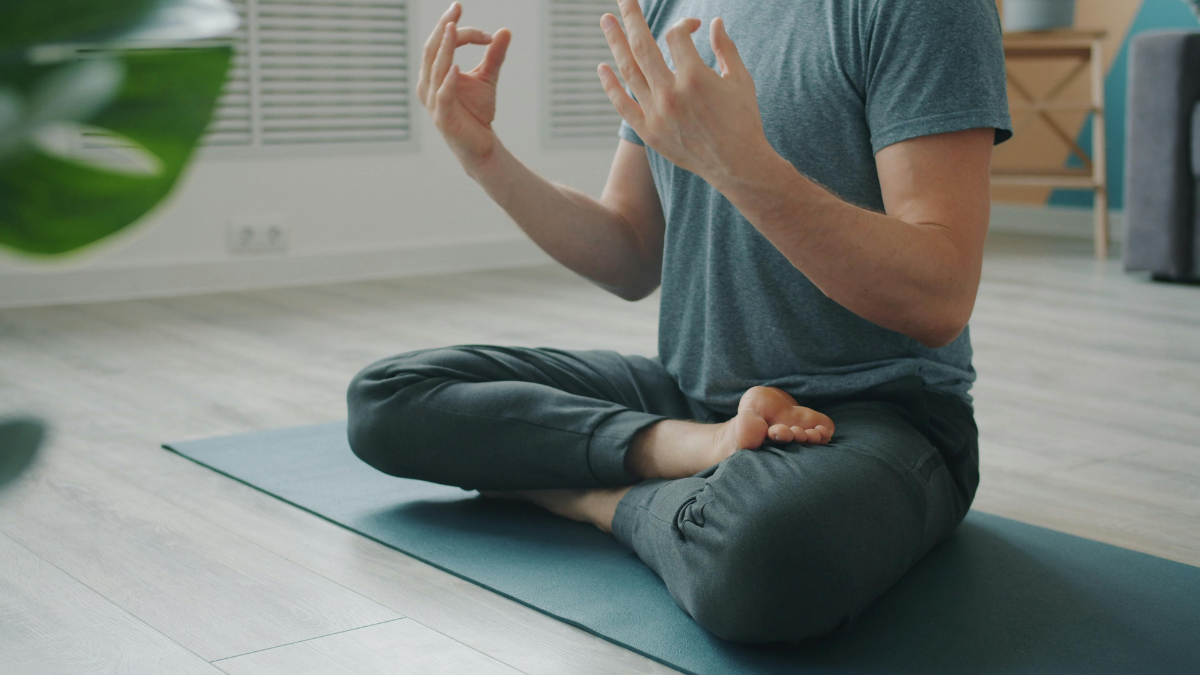
Deep breathing, meditation, or light physical activity can help the body fall asleep naturally. Think of Qigong, Silat, Yoga or some Tai Chi.
Don’t neglect social support
Don't be afraid to talk to people about how you're feeling. Share your feelings with family, friends, or colleagues you feel comfortable around.
Prioritise sleep duration and timing
A good rule of thumb is to aim for seven to nine hours of sleep per night, if your schedule allows. You can also improve the quality of your sleep with a calm, soothing environment:
- Keep the bedroom dark, cool, and quiet.
- Use curtains, earplugs, or a white noise machine.
- Invest in a good mattress or pillow.
- Limit digital distractions in the bedroom.
- Try to avoid eating big meals, drinking too much caffeine, alcohol, or nicotine in the hours leading up to bedtime.
If you find that you’re unable to sleep well, it could be a sign that you may need more dedicated health support. Sleep issues could indicate underlying medical conditions that require specialised treatment. Sleep aids may also be used under professional guidance to promote better sleep hygiene.
How Singapore residents cope with mental health
Despite being under a lot of stress, our International Health Study indicates that nearly 9 out of 10 Singaporeans haven't spoken to a counsellor or therapist in the past year. And 77% of them don't think they need any professional help. But most people do rely on their family and friends, with 44% of them talking openly with their loved ones about how they're feeling.
Even though good close relationships are great for mental health, professional support— including mental health services covered by insurers such as Cigna Healthcare—can make a big difference.
Other services, including health screenings, are equally as important in order to identify underlying medical conditions that could contribute to sleep problems, like sleep apnoea or chronic pain. Some companies offer workplace wellness programs and work-life balance initiatives that further support sleep health.

The bigger picture
More often than not, poor sleep health is the result of a combination of many different factors, including stressful work environments, social anxiety, difficult relationships, and lifestyle choices.
Getting regular exercise, having people around you who care about you, and having a few simple strategies up your sleeve to deal with stress can help sleep and reduce chronic sleep loss, which in turn can help you feel a lot better in general.
Cigna's International Health Study: What the data shows
The importance of sleep is pretty hard to dispute.
When we get enough sleep, we feel more focused, more even-tempered and more on top of things, and when we don't get enough, we increase the risk of high blood pressure, coronary heart disease and depression.
If you want to explore more in-depth information showing how stress, sleep, and wellbeing differ across age groups and financial realities in Singapore, read Cigna's International Health Study 2025 for more insights.
Related articles
© Cigna Healthcare. All rights reserved.
Cigna Europe Insurance Company S.A.-N.V. Singapore Branch (Registration Number: T10FC0145E), is a foreign branch of Cigna Europe Insurance Company S.A.-N.V., registered in Belgium with limited liability, with its registered office at 152 Beach Road, #33-05/06 The Gateway East, Singapore 189721.
The Cigna Healthcare name, logo, and other Cigna Healthcare marks are owned by The Cigna Group Intellectual Property, Inc. licensed for use by Cigna Corporation and its operating subsidiaries. All products and services are provided by or through such operating subsidiaries, and not by Cigna Corporation. Such operating subsidiaries include Cigna Europe Insurance Company S.A.-N.V. Singapore Branch.
