- For SME and Groups
- For Individuals
Group Health Insurance
About Cigna Healthcare
Tips for Gut Health that Singapore Residents Need to Know
Tips for Gut Health that Singapore Residents Need to Know
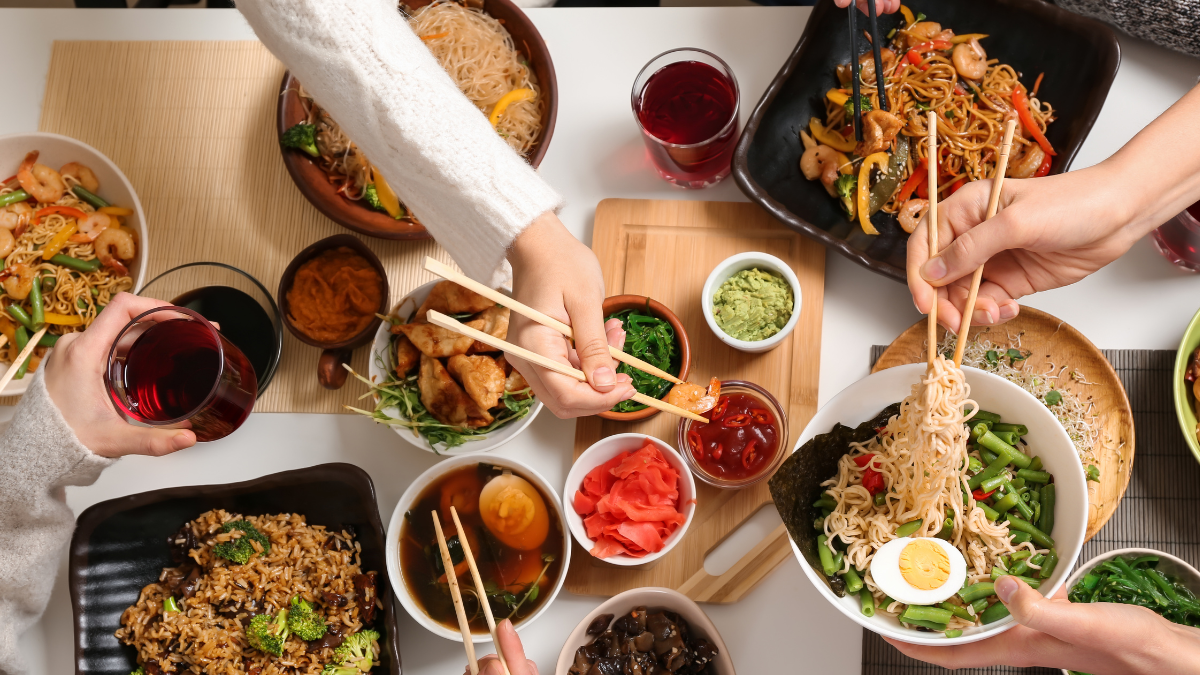
Feeling energised all day long, enjoying meals without any abdominal discomfort, and having a fantastic immune system are all signs of a healthy gut.
In Singapore, however, long workdays, high stress levels and frequent eating out might be slowly and quietly affecting our gut health.
The good news is that supporting gut health has little to do with complicated routines or extreme diets and more to do with good digestive habits. By just making a few simple food choices and lifestyle changes, you can easily support your digestion and overall well-being.
Understanding gut health and the gut microbiome
Gut health is all about balance. The gut contains microorganisms, collectively known as the gut microbiome, which is made up of trillions of bacteria and plays a key role in digestion, immune regulation and nutrient absorption.
A healthy gut microbiome should balance beneficial and harmful bacteria. When this balance is compromised, harmful bacteria tends to increase, disrupting immune function and creating digestive issues. A diverse microbiome is also good for brain function and mental health through the gut-brain axis, which plays a big role in mood regulation.
Instead of focusing on eliminating "bad bacteria", gut health should support good bacteria through consistent habits and a holistic approach.
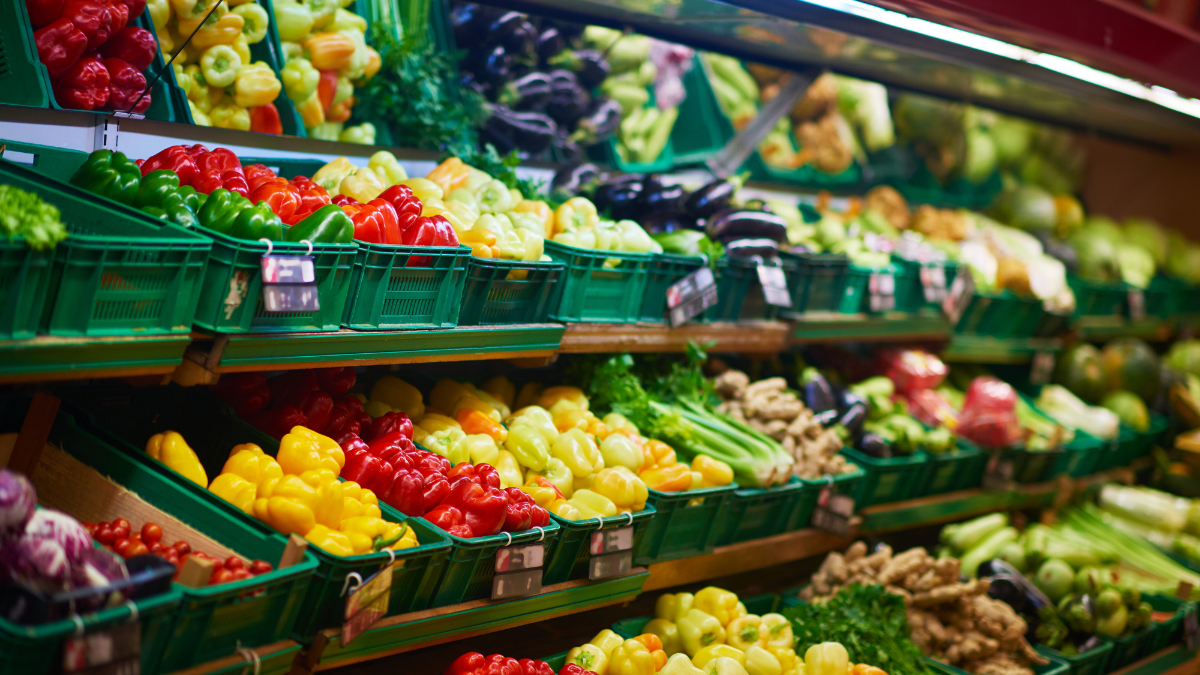
Daily habits that support a healthy gut
Gut health isn’t shaped by a single habit. It’s the result of many everyday choices that lead to a healthy gut.
Dietary choices
Highly processed foods, alcohol and excess sugar can compromise a healthy gut environment because simple sugars act as quick fuel for certain microbes, allowing them to multiply more rapidly than beneficial bacteria. Over time, this imbalance tends to weaken the gut lining and contribute to inflammation.
Stress levels
Chronic on-going stress can disrupt digestion, change bowel habits and interfere with gut bacteria. This may also be why you notice more stomach issues, such as acid reflux, when you’re feeling stressed.
Sleep and regular exercise
The digestive system follows a circadian rhythm which is why poor sleep can interfere with normal bowel movements and overnight gut repair. Regular physical activity, on the other hand, stimulates the wave-like contractions that move food through the gut which is why even gentle activity after eating is good for digestion.
Medication
Certain medications, particularly antibiotics, can reduce bacterial diversity and affect the protective lining of the gut.
Because these factors are closely linked, improving gut health rarely comes down to one single change. Small, steady adjustments over time are often what help create and maintain a balanced gut microbiome.
Gut-friendly foods you can find in Singapore
Food plays a crucial role when it comes to maintaining gut health. These are a few options you can consider when you’re dining out or eating in, while living in Singapore.
Fibre-rich and prebiotic-rich foods
To maintain gut lining integrity and reduce chronic inflammation, gut bacteria need to produce short-chain fatty acids, which is why fibre is key. A fibre-rich diet that includes a variety of plant foods supports beneficial bacteria, bowel health and microbial diversity.
Good sources include:
- Vegetables such as leafy greens and beans
- Fruits like papaya, bananas, guava and dragon fruit
- Whole grains and fibre-rich staples such as brown rice, red rice, barley and sweet potato
Fermented foods and beneficial bacteria
Fermented foods are great for gut health. They contain live cultures that help the gut microbiome, especially when eaten regularly. Many of these are easy to find in Singapore, like tempeh, fermented vegetables such as kimchi or yoghurt with live cultures. These foods help balance gut bacteria.
Lifestyle habits that support a healthy gut
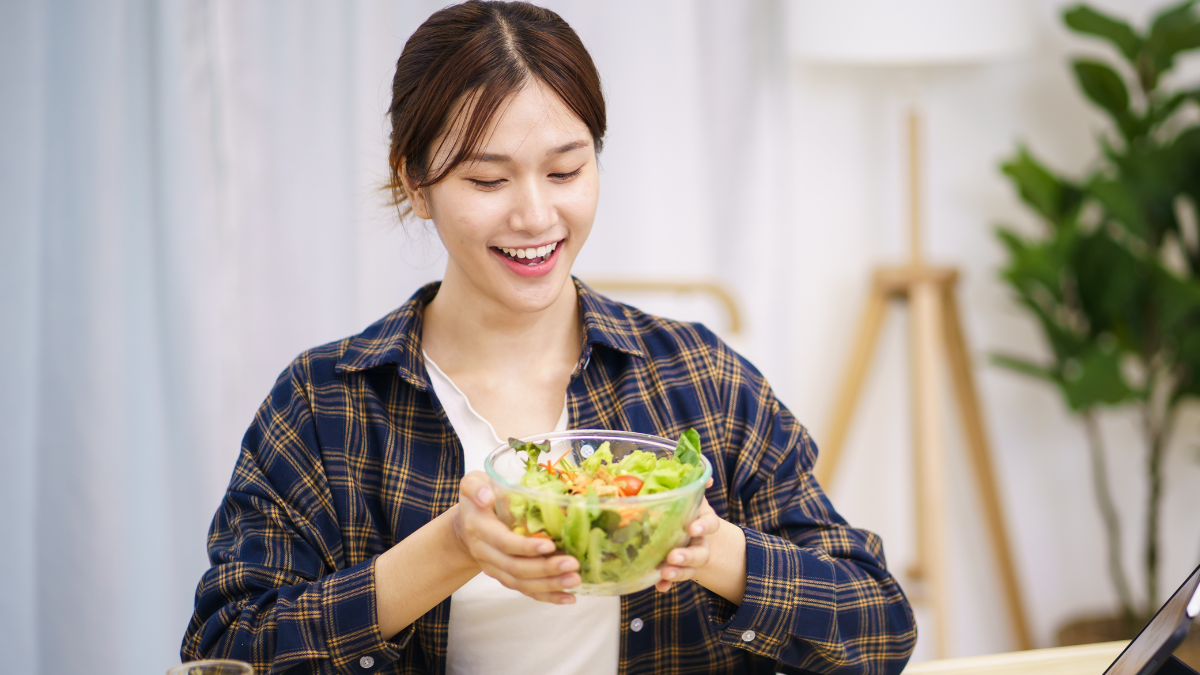
While nutrition is a key part of the bigger picture, daily habits and lifestyle choices can also have a big impact on digestive health:
- Hydration: Staying well hydrated is great for digestion and can help reduce reflux.
- Regular meals: Eating meals regularly and mindfully can help stabilise bowel habits.
- Stress management: Going on short walks and doing breath work during stressful times helps the gut–brain axis.
- Movement: Walking after a meal is known to support digestion and bowel movements.
Lifestyle recommendations should feel practical enough to actually work but also stick to, in order to support healthy gut habits over the long haul.
Common signs of an unhealthy gut
The most common symptoms that often go hand in hand with gut problems are:
- Bloating, gas or abdominal discomfort
- Irregular bowel movements
- Acid reflux (or gastro-oesophageal reflux disease)
- Ongoing digestive issues, fatigue or just overall mood swings
Occasional discomfort is completely normal but if symptoms keep on coming back it can be a sign of a much more severe issue, like irritable bowel syndrome or inflammatory bowel disease.
When you might want to get some expert advice
Lifestyle changes are great for starting to address gut health problems but some risk factors might mean it's time to get a doctor involved - e.g., family history, an autoimmune disease or long-standing digestive issues.
Gut microbiome tests can give valuable insights by running a stool sample but it's important to keep in mind that results need to be interpreted by a specialist. Doing a regular health screening every now and then is a good way to catch any problems early on - especially with chronic diseases like colorectal cancer.
A holistic approach to gut health
A lot of people feel constantly bloated, experience mood swings, get sick frequently and feel tired throughout the day without knowing that it might all come from their gut. Digestion, immune function, and overall health are all connected which is why the solution needs to be holistic.
By eating the right foods, changing bad habits and lowering our stress responses, we can not only support digestion but also have stronger immunity.
Discover more health-related articles and preventive care on our health content hub.
Related articles
© Cigna Healthcare. All rights reserved.
Cigna Europe Insurance Company S.A.-N.V. Singapore Branch (Registration Number: T10FC0145E), is a foreign branch of Cigna Europe Insurance Company S.A.-N.V., registered in Belgium with limited liability, with its registered office at 152 Beach Road, #33-05/06 The Gateway East, Singapore 189721.
The Cigna Healthcare name, logo, and other Cigna Healthcare marks are owned by The Cigna Group Intellectual Property, Inc. licensed for use by Cigna Corporation and its operating subsidiaries. All products and services are provided by or through such operating subsidiaries, and not by Cigna Corporation. Such operating subsidiaries include Cigna Europe Insurance Company S.A.-N.V. Singapore Branch.
